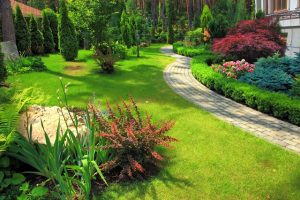
Growing an Edible Landscape For Beginning Gardeners – Landscapes believe easy to worry for trees, shrubs, perennials, and sometimes for the house gardener annuals and potted arrangements to return together.
Trees are often the foundations of the landscape after the house itself. many fruiting trees that observe crops also make fantastic landscape trees. Many cherries, apples, pears, apricots, citrus, peaches, pawpaw and plums are prime examples. Many are breathtaking the within the spring, beautiful in form, and that they produce delicious fruit. There are many cultivars of fruiting trees with different growth heights at maturity, and every one take well to pruning and shaping. Fruiting trees are passed often as landscape options in many landscapes because they will be messy, but this is often only a drag if you are not getting to harvest the fruit from them. As edible landscape trees, most all fruiting trees are excellent landscape candidates.
Some less commonly known but very wonderful landscape fruit bearing trees include crabapples (they make the simplest jams and jellies!), hackberry (jams and jellies), and persimmon (can be used for love or money and are absolutely delicious). Again, all fancy shaping and are lovely in form. Crabapples often have glorious fall color, as do hackberry. Persimmon trees hold onto their fruit past leaf drop and are very ornamental in branching structure.
Nut bearing trees also are good landscape candidates where an outsized and stately tree is required . Black walnut may come to mind but this is able to be the sole exception within the landscape as they produce a really potent toxin that kills many species of plants within their root zone and beyond. an alternate tree that’s making a way welcome comeback within the landscape is that the Butternut. they appear tons just like the stately black walnut but don’t possess as potent of a plant growth inhibitor in its rootage . The nuts also are delicious. There are now disease resistant butternuts available. Hazelnut blooms when nothing else blooms and sports beautiful foliage within the fall. they’re very small for trees, almost shrub like in proportion, which makes them very valuable from a design standpoint. Pecans and hickory, and a few chestnuts will observe landscape trees also .
There are numerous flowering shrubs with delicious edible crops that are beautiful landscape specimens, that buying edible landscape shrubs could also be more of confusing experience. In an attempt to form the choice making task easier, we’ve picked a couple of of our favorites. These shrubs fancy shearing and pruning; have beautiful bloom, foliage form and color, fall color, and popular edible crops.
Blueberries are absolutely wonderful edible landscape plants, says paysagiste Nantes . they’re not as difficult to grow as many seem to think. There are many cultivars that home in form and color and fruiting. From extremely small and compact mounded forms to large and sprawling and tall forms, blueberries are available many flavors. Add some peat into each initial planting hole and mulch with compost or pine needles is all the pH adjustment they have , nothing complicated. all of them bear adorable and sweetly scented spring flowers of pink and white. all of them have attractive bushy foliage during a nice pleasing green, sometimes new growth being red or pink. all of them bear delicious blue or pink fruit within the summer. and that they all glow brilliantly red within the fall. they’re super hardy, doing well in most all climates, even the coldest areas.
Elderberry has come to the forefront as a really potent and powerful natural medicine. It also happens to be a gorgeous plant compatible to the landscape. There are cultivars available with purple foliage too, making them a striking addition to the landscape (especially when planted among chartreuse colors of foliage in other plants). The leaf shape is beautiful and weird . The flowers are heavily fragrant and really attractive to pollinators. The berries are easily made into jams and jellies and juices. While often treated as an outsized perennial, they will reach shrub like proportions in one season and that they need many space to opened up . they’re super easy to grow, and as a native plant you’re doing all of your local ecology a favor by using elderberry in your landscape. you’ll got to plant quite one elderberry to make sure good fruit set. they like full sun but can tolerate some shade with grace. they do not wish to dry out so they are not for xeriscaping or areas of the landscape that get dry.
Viburnums are common within the landscape as they’re wonderful shrubs for all of the explanations we love landscape plants- great habit, form, colors, and variance in cultivars. Specifically for the edible landscape, the American cranberry Bush, or cranberry bush , is an especially valuable edible landscape shrub selection. The berries aren’t especially eaten fresh, but again they’re very delightful as a jelly or jam. Another North American native plant, birds love them also . Viburnums can handle more shade than other shrubs, and makes an excellent understory plant.
Pine typically brings thoughts of gigantic tall trees and this is often fairly accurate to assume- but pine now comes in numerous cultivars that employment as shrubs within the landscape that it’s dizzying. Swiss mountain pine specifically is compatible for landscape use as is extremely popular. Better too is, you’ll get an excellent yearly crop of delicious pine nuts from Swiss mountain pine ! There are many forms and colours of mugo pine, so you will have an honest time buying some evergreen material to fit your edible landscape perfectly.
Shrub roses are very old garden shrubs and plants. Fuller and easier to grow sorts of roses work well within the landscape, and leave behind very edible and delicious rose hips for harvest. Rose hips are very high in vitamin C and may be made into teas and jams. Rose hips make excellent extracts like rosewater which will then be utilized in cooking, and even in homemade cleaning products and room fresheners. Roses themselves require aggressive pruning but otherwise are fairly undemanding. The blooms are a delight, and lots of new cultivars of landscape roses are extremely hardy, disease resistant, and delightful . Rosa rugosa may be a native version of a superb landscape and native rose that’s healthy and disease resistant, and leaves behind big red and pink hips within the fall.
In warmer areas, rosemary can grow to shrub like sizes and makes an excellent shrub. And in fact , rosemary is an important in cooking. you’ll also use rosemary in homemade cleaning products- especially in homemade soaps where it’s scent works well for masculine (or not of course) scented bars and therefore the needles themselves bring wonderful exfoliators. Rosemary is typically grown as a perennial, but can naturalize in warm enough areas in bright sun. It can tolerate some drying out but enjoys consistent moisture.
If you thought your edible landscape choices with trees and shrubs was liberating, wait until you begin watching perennial choices. There are numerous perennial edibles out there, most notably for herb usage. Some common perennial herbs perfect for landscapes include rosemary (mentioned above as a shrub but can easily be kept as a smaller perennial), sage, thyme, oregano, chives, ginger (in warm areas), and lavender. Mint may be a very hardy and aggressive perennial, but its spreading nature doesn’t always make it an honest landscape plant. Mint is best kept planted in pots and contained. Agastache may be a less common yet very wonderful herb that creates a superb landscape plant. So is hard Echinacea with its beautiful blooms, which now are available many colors apart from purple and white. Cheyenne Spirit is an Echinacea mix with red, orange, coral, yellow, and other colors that warm up the landscape with long lasting blooms. you’ll use the blooms and leaves of of these plants for culinary uses and other countless jobs round the house.
There are many perennial plants that aren’t herbal in nature, but offer vegetable foods. Artichoke may be a beautiful perennial in warmer climates. it’s extremely unusual and stately form bring an excellent focal plant. Harvest the flowers before they bloom, as that is the artichoke you eat. Asparagus, or what we all know as asparagus, comes up early within the spring as a thick spear (that’s the part we eat), but leaving a number of the spears alone to grow and develop the remainder of the season rewards you with tall and wispy foliage that contrasts and fills in well among other plants. Edible rhubarb may be a large leaved plant which will be harvested within the early spring for its stalks. Super hardy, its one perennial crop enjoyed within the coldest of climates and is hottest paired with strawberries (another great perennial edible for the landscape) in pies. there’s ornamental rhubarb that’s even larger and more impressive than the sort that’s commonly grown in gardens, and while those are edible also they’re larger and woodier. Various cold hardy cabbages and kale are highly ornamental and supply delicious and nutritious greens through the season. They easily reseed in most areas and are great at filling in areas. The blooms when allowed to bolt within the warm season are 4 petaled, often yellow or purple, and really pretty.
Strawberry plants are often overlooked within the landscape as they’re typically cultivated in gardens and on farms for his or her fruit, but if you check out strawberries fully low growing and spreading mounds of pretty green foliage, you’ll see that they also make an excellent landscape ground cover. many sorts do need some controlling measures as they’re good at spreading, but this will even be of advantage within the landscape where bare spots are hard to hide .
Daylily plants are very fashionable landscape plants, but not tons of individuals know that the blooms of daylily are very edible and attractive . Mild, crunchy, and in fact floral, they’re wonderful in salads or maybe on sandwiches. Daylilies are hardy and not picky and are grown everywhere. There are many forms and colours and sizes of daylilies. One can spend a whole week watching online catalogs of daylilies from breeders. the foremost popular, most affordable, and therefore the most versatile daylily that’s stood the test of your time still happens to be the Stella D’Oro.
Ornamental annuals are often quite petunias and impatiens. There are many annual plants that have edible leaves and flowers that employment perfectly within the landscape. for instance , pansies and violas have blooms that are very edible and delightful . If anything, they create elegant garnish. Freeze violas in ice cubes and drop a viola filled cube into a cup of hot or cold tea for a gorgeous accent. Candy viola blooms in sugar for storage and use them afterward cakes. Pansies and violas come yearly in most areas, but they’re typically treated as annuals. They like full sun and in warm areas enjoy shade. they’re easily grown in pots but naturalize beautifully in borders. Other highly ornamental annual flowers that employment great within the landscape are nasturtiums and calendula. Nasturtiums are often small and mounding, or long and trailing. Calendula is typically orange, daisy-like, and is wonderful as garnish, in salads, or in drinks. Both Nasturtiums and calendula could also be available within the spring in flats, but usually are easily directly seeded into the landscape. Fun with kids!
Lettuce are often an absolutely stunning leafy landscape annual, wonderful within the front of the border. Lettuces are available many colors and patterns and textures. they appear best within the cooler seasons, but can easily be reseeded if thy bolt and become unsightly. an alternate to lettuce that performs all season long and is simply as tasty and even more nutritious is orach. Orach may be a relative of the common weed “lambs quarters” but is additionally associated with spinach. Orach is typically sold as seed, and comes in colors of bright pink, red, green, and chartreuse.
And finally, we come to vines. Vines offer a neat opportunity to undertake something slightly unusual, as many ornamental landscape vines also are highly edible and delightful , but aren’t documented . Hops are one excellent example. Hops are utilized in beer making. they’re the green flowers on a fragile little vine that’s well behaved and super hardy. Hops like to climb fencing. Another very easy to worry for and hardy vine that creates delicious food is that the kiwi. The hardy kiwi version of the kiwi many folks are conversant in makes smaller fruits, but they’re certainly delicious. Hardy kiwi comes as male and feminine plants, and you would like both to form fruit. They often have green foliage that’s splashed with bright bubblegum pink. Kiwi vines grow large, in order that they need an outsized support- over 10 feet if possible.
There are many edible landscape plant selections! to not be overlooked and really useful, consider putting your beautiful landscape to figure for you and your family.
Growing an Edible Landscape For Beginning Gardeners – Growing an Edible Landscape For Beginning Gardeners – Growing an Edible Landscape For Beginning Gardeners – Growing an Edible Landscape For Beginning Gardeners – Growing an Edible Landscape For Beginning Gardeners – Growing an Edible Landscape For Beginning Gardeners –
 A Waste of Packaged Gold : we all do it to some extent or another. Seasonally, we do a yard cleanup, discarding a goldmine of precious material we call waste. With a little time and
  A Guide To Japanese Gardens : ready for something different in your garden? Take a look at Japanese bridges.
 Risque toxicite vaccin ARNm. Les scientifiques de Moderna avertissent des risques de toxicité des vaccins à ARNm